Modern Varicose Veins Treatment for Improved Leg Health and Comfort
- southflorida vascular
- 1 day ago
- 4 min read

Varicose veins are a common vascular condition that affects millions of people worldwide. They develop when the valves inside the veins become weak o
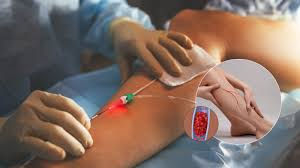
r damaged, preventing blood from flowing efficiently back to the heart. As blood collects in the veins, pressure increases, causing them to enlarge, twist, and become visible beneath the skin. Although varicose veins are often considered a cosmetic concern, they can also lead to pain, swelling, heaviness, and discomfort that interfere with daily activities.
Advancements in vascular medicine have introduced highly effective treatment options that focus on improving circulation while minimizing recovery time. varicose veins treatment now includes several minimally invasive procedures that provide lasting relief without the need for traditional surgery.
Understanding Varicose Veins
Healthy veins contain one-way valves that keep blood flowing toward the heart. When these valves weaken, blood begins to flow backward and collect within the veins. This increased pressure causes the veins to stretch and enlarge over time.
Varicose veins most commonly appear in the legs because these veins work against gravity to return blood to the heart. Standing or sitting for long periods can increase pressure within the veins, making symptoms more noticeable.
Although anyone can develop varicose veins, several factors may increase the likelihood, including:
Family history
Aging
Pregnancy
Obesity
Prolonged standing or sitting
Lack of physical activity
Recognizing these risk factors helps individuals understand when to seek medical evaluation.
Common Symptoms
The symptoms of varicose veins vary from person to person. Some individuals notice only visible enlarged veins, while others experience persistent discomfort that affects their quality of life.
Common symptoms include:
Enlarged blue or purple veins
Leg pain or aching
A feeling of heaviness
Swelling in the lower legs
Muscle cramps
Burning or throbbing sensations
Itching around affected veins
Fatigue after standing for long periods
Without appropriate care, symptoms may gradually worsen over time.
Diagnosing Varicose Veins
Diagnosis usually begins with a physical examination and discussion of symptoms. During the evaluation, a healthcare provider examines the affected veins while reviewing medical history and lifestyle factors.
A duplex ultrasound is commonly used to evaluate blood flow and identify damaged valves inside the veins. This painless imaging test provides detailed information about the affected veins and helps physicians determine the most appropriate treatment approach.
Accurate diagnosis is essential for creating a personalized treatment plan.
Modern Treatment Options
Today, most patients no longer require traditional vein stripping surgery. Instead, minimally invasive procedures have become the preferred approach because they offer faster recovery and less discomfort.
Treatment options may include:
Endovenous laser therapy (EVLT)
Radiofrequency ablation (RFA)
Sclerotherapy
Ultrasound-guided foam sclerotherapy
Ambulatory phlebectomy
VenaSeal™ closure system
Each procedure targets damaged veins while allowing blood to naturally reroute through healthy veins.
Healthcare providers recommend treatment based on the severity of the condition, symptoms, and overall vascular health.
Benefits of Minimally Invasive Care
Modern vascular procedures offer several advantages over traditional surgery.
Some of the key benefits include:
Small or no surgical incisions
Outpatient treatment
Minimal scarring
Faster recovery
Reduced discomfort
Lower risk of complications
Improved cosmetic appearance
Quick return to normal activities
These benefits have made minimally invasive procedures the preferred choice for many patients seeking effective vein care.
Individuals considering varicose veins treatment often appreciate the convenience and shorter recovery associated with these advanced procedures.
Lifestyle Changes That Support Vein Health
Although medical treatment addresses damaged veins, healthy lifestyle habits can help improve circulation and reduce the risk of future vein problems.
Healthcare providers commonly recommend:
Regular walking or low-impact exercise
Maintaining a healthy body weight
Avoiding prolonged standing or sitting
Elevating the legs when resting
Wearing compression stockings when recommended
Staying physically active throughout the day
These habits support healthy blood flow and complement medical treatment.
Recovery After Treatment
Recovery depends on the specific procedure performed, but most minimally invasive treatments allow patients to resume normal activities within a short period.
Many patients return to work within one or two days after treatment. Mild bruising or tenderness may occur but generally improves quickly.
Healthcare providers may recommend wearing compression stockings temporarily and avoiding strenuous exercise for several days to promote proper healing.
Follow-up appointments help evaluate treatment success and monitor long-term results.
When Should You Seek Medical Care?
Although some people ignore varicose veins because they appear to be only a cosmetic concern, persistent symptoms should not be overlooked.
Medical evaluation is recommended if you experience:
Ongoing leg pain
Significant swelling
Skin discoloration
Open sores or ulcers
Bleeding veins
Increasing discomfort during daily activities
Early treatment often prevents symptoms from becoming more severe and reduces the risk of future complications.
Patients exploring varicose veins treatment benefit from early diagnosis, allowing healthcare providers to recommend the most appropriate procedure before the condition progresses.
The Importance of Specialized Vascular Care
Successful treatment begins with a comprehensive vascular assessment. Specialists use advanced diagnostic imaging to identify the underlying cause of vein disease rather than simply treating visible veins.
Personalized treatment plans consider each patient's symptoms, medical history, lifestyle, and long-term health goals. This individualized approach helps achieve both symptom relief and improved vascular function.
Experienced vascular specialists also provide ongoing follow-up care to monitor healing and ensure optimal treatment outcomes.
Improving Comfort and Quality of Life
Varicose veins can affect more than appearance. Persistent discomfort, swelling, heaviness, and fatigue may interfere with work, exercise, travel, and everyday activities. Fortunately, modern vascular medicine offers safe and effective solutions that address both symptoms and the underlying cause of vein disease.
Whether symptoms are mild or more advanced, early evaluation allows patients to explore treatment options before complications develop. With advanced imaging, minimally invasive procedures, and personalized care, treatment has become more comfortable and effective than ever before.
For many individuals, varicose veins treatment provides lasting symptom relief, healthier blood circulation, improved leg appearance, and greater overall comfort. By choosing modern vascular care and following appropriate lifestyle recommendations, patients can enjoy better mobility, improved confidence, and long-term leg health with minimal disruption to their daily routines.
Comments