Fibroids Uterine Artery Embolization with Faster Recovery and Less Pain
- southflorida vascular
- Jul 16
- 4 min read

Uterine fibroids are one of the most common noncancerous growths affecting women during their reproductive years. Although many fibroids cause no symptoms, others can lead to heavy menstrual bleeding, pelvic pressure, pain, frequent urination, and discomfort that interferes with everyday life. Traditionally, surgery was the primary treatment for symptomatic fibroids, but advances in interventional radiology have introduced less invasive alternatives that offer effective results with shorter recovery times.
One of the most effective modern treatment options is fibroids uterine artery embolization, a minimally invasive procedure that reduces blood flow to fibroids, causing them to shrink naturally over time. This treatment helps relieve symptoms while allowing many women to avoid major surgery and enjoy a quicker return to daily activities.
Understanding Uterine Fibroids
Fibroids, also known as uterine leiomyomas, are benign tumors that develop within or around the uterus. They vary in size, number, and location, and not every woman experiences symptoms.
Common types of fibroids include:
Intramural fibroids
Subserosal fibroids
Submucosal fibroids
Pedunculated fibroids
The impact of fibroids depends on their size and location. While some remain small and symptom-free, others grow larger and cause significant discomfort or reproductive health concerns.
Common Symptoms of Fibroids
Symptoms differ from one patient to another, but larger or multiple fibroids are more likely to cause noticeable problems.
Common symptoms include:
Heavy menstrual bleeding
Prolonged menstrual periods
Pelvic pain
Pelvic pressure
Frequent urination
Constipation
Lower back pain
Pain during intercourse
Abdominal fullness
Women experiencing persistent symptoms should consult a healthcare provider for a proper evaluation and diagnosis.
What Is Uterine Artery Embolization?
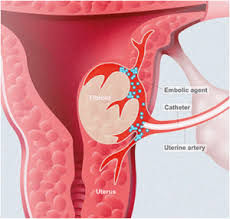
Uterine artery embolization (UAE) is a minimally invasive procedure performed by an interventional radiologist to treat symptomatic uterine fibroids without removing the uterus.
During the procedure, tiny embolic particles are delivered into the uterine arteries through a thin catheter. These particles block the blood supply that nourishes the fibroids, causing them to shrink gradually while preserving healthy uterine tissue.
Because the procedure targets the fibroids directly, many women experience significant symptom improvement without undergoing traditional open surgery.
Who May Be a Good Candidate?
This treatment may be appropriate for women who have symptomatic fibroids and are seeking an alternative to surgical procedures.
Candidates often include women who experience:
Heavy menstrual bleeding
Chronic pelvic pain
Pressure caused by fibroids
Multiple fibroids
Frequent urination due to fibroid growth
Symptoms affecting daily activities
A thorough consultation, physical examination, and imaging studies help determine whether uterine artery embolization is the most suitable treatment option.
How the Procedure Is Performed
The procedure is usually completed in an interventional radiology suite and does not require large surgical incisions.
Typical steps include:
Local anesthesia and mild sedation are administered.
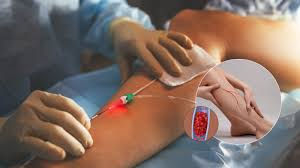
A small catheter is inserted through an artery in the wrist or groin.
Using advanced imaging guidance, the catheter is directed into the uterine arteries.
Tiny embolic particles are injected to block blood flow to the fibroids.
The catheter is removed, and a small bandage is applied.
Most procedures are completed within a few hours, and many patients return home the same day or after a short hospital stay.
Benefits of Uterine Artery Embolization
Many women choose uterine artery embolization because it offers effective symptom relief with fewer disruptions than traditional surgery.
Potential benefits include:
No large surgical incision
Reduced postoperative pain
Faster recovery
Shorter hospital stay
Preservation of the uterus
Lower risk of excessive blood loss
Improvement in fibroid-related symptoms
Minimal scarring
Many patients resume normal activities sooner than those recovering from more invasive surgical procedures.
Recovery and Aftercare
Recovery following uterine artery embolization is generally shorter than recovery after hysterectomy or myomectomy.
Patients are commonly advised to:
Rest for several days
Stay well hydrated
Take prescribed medications
Avoid strenuous physical activity temporarily
Attend follow-up appointments
Monitor symptoms during recovery
Some women experience temporary cramping, fatigue, or mild discomfort as the fibroids begin to shrink, but these symptoms usually improve with time.
Following post-procedure instructions carefully supports a smoother recovery.
Expected Results
Fibroids gradually decrease in size over several months following treatment as their blood supply is reduced.
Many women notice improvements such as:
Lighter menstrual bleeding
Less pelvic pressure
Reduced pelvic pain
Improved bladder function
Better overall comfort
Increased quality of life
Results vary depending on the size, number, and location of the fibroids, as well as each patient's overall health.
Regular follow-up imaging may be recommended to evaluate treatment success.
Possible Risks and Considerations
Although uterine artery embolization is considered safe, every medical procedure carries some potential risks.
Possible complications include:
Temporary pelvic pain
Mild fever
Infection
Bruising at the catheter site
Allergic reaction to contrast material
Rare injury to nearby blood vessels
An experienced interventional radiologist carefully evaluates each patient to minimize risks and determine whether this treatment is appropriate.
Patients should discuss all available treatment options with their healthcare provider before making a decision.
When to Consult a Specialist
Women should seek medical evaluation if they experience:
Heavy menstrual bleeding
Persistent pelvic pain
Increasing abdominal fullness
Frequent urination
Pain during menstruation
Symptoms interfering with daily life
Early diagnosis allows healthcare providers to identify fibroids and recommend appropriate treatment before symptoms become more severe.
Prompt medical care also helps rule out other gynecological conditions that may produce similar symptoms.
Conclusion
Symptomatic uterine fibroids can significantly affect a woman's health, comfort, and quality of life. Fortunately, advances in minimally invasive medicine have created effective alternatives to traditional surgery that offer faster recovery and less postoperative discomfort.
Fibroids uterine artery embolization provides a safe, image-guided approach that reduces blood flow to fibroids, allowing them to shrink naturally while preserving the uterus. For many women, this innovative treatment offers lasting symptom relief, improved daily comfort, and a quicker return to normal activities under the guidance of an experienced interventional radiology team.
Comments